Kitchen Backsplash Tile & Grout Guide: Preview Layouts Before You Buy
Learn how to choose backsplash tile patterns, grout contrast, and cabinet pairings using real kitchen before/after previews before ordering tile.
 Lucenade Team
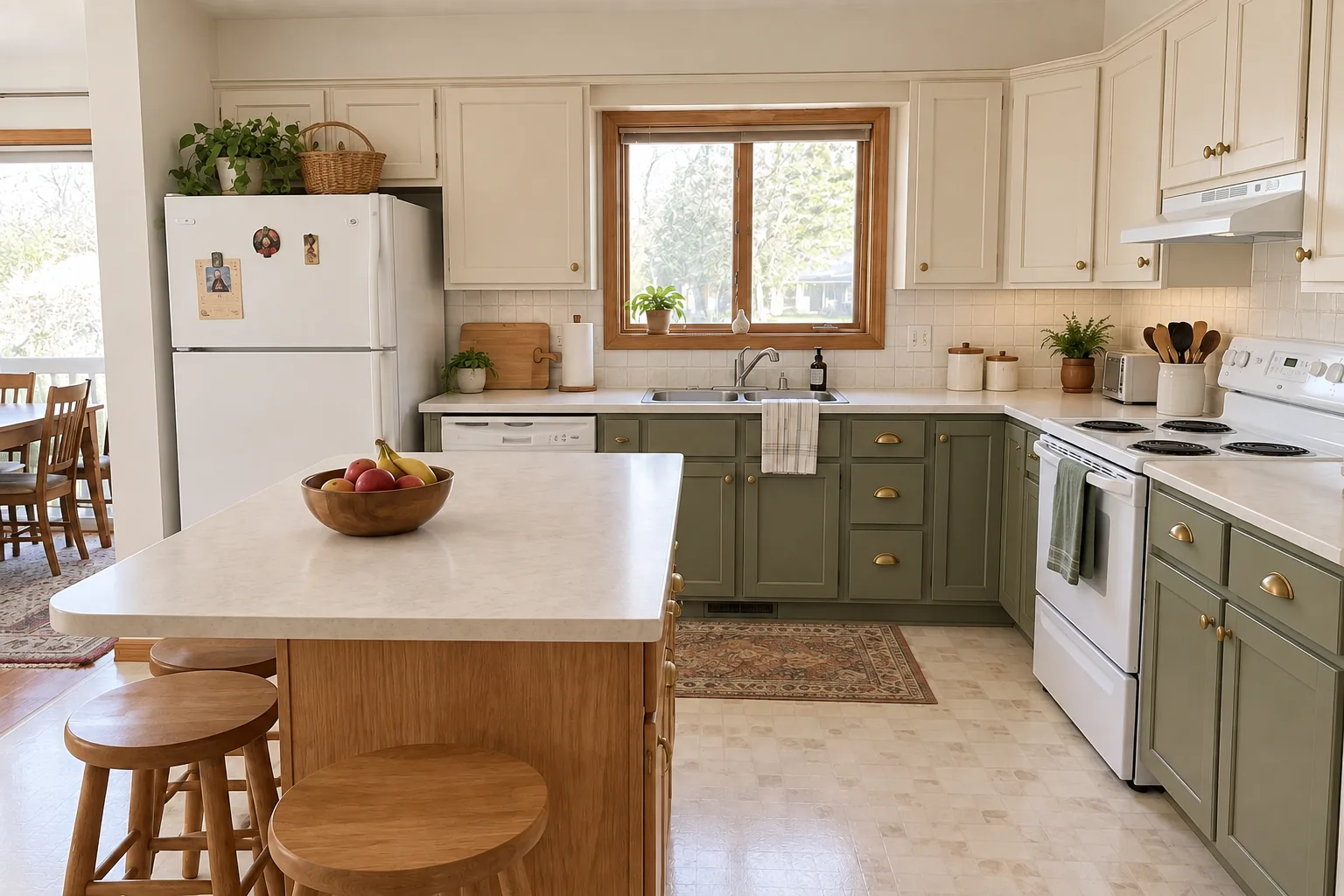
A kitchen backsplash covers a relatively small wall area, yet it sits right at eye level between your cabinets and countertops. Choosing the wrong tile scale, sheen, or grout contrast can make a brand-new remodel feel busy—or clash with countertop veining you already paid for.
Previewing backsplash layouts directly on a photo of your own kitchen lets you compare subway, stacked, slab, and textured tile directions before committing to boxes of tile and installation labor.
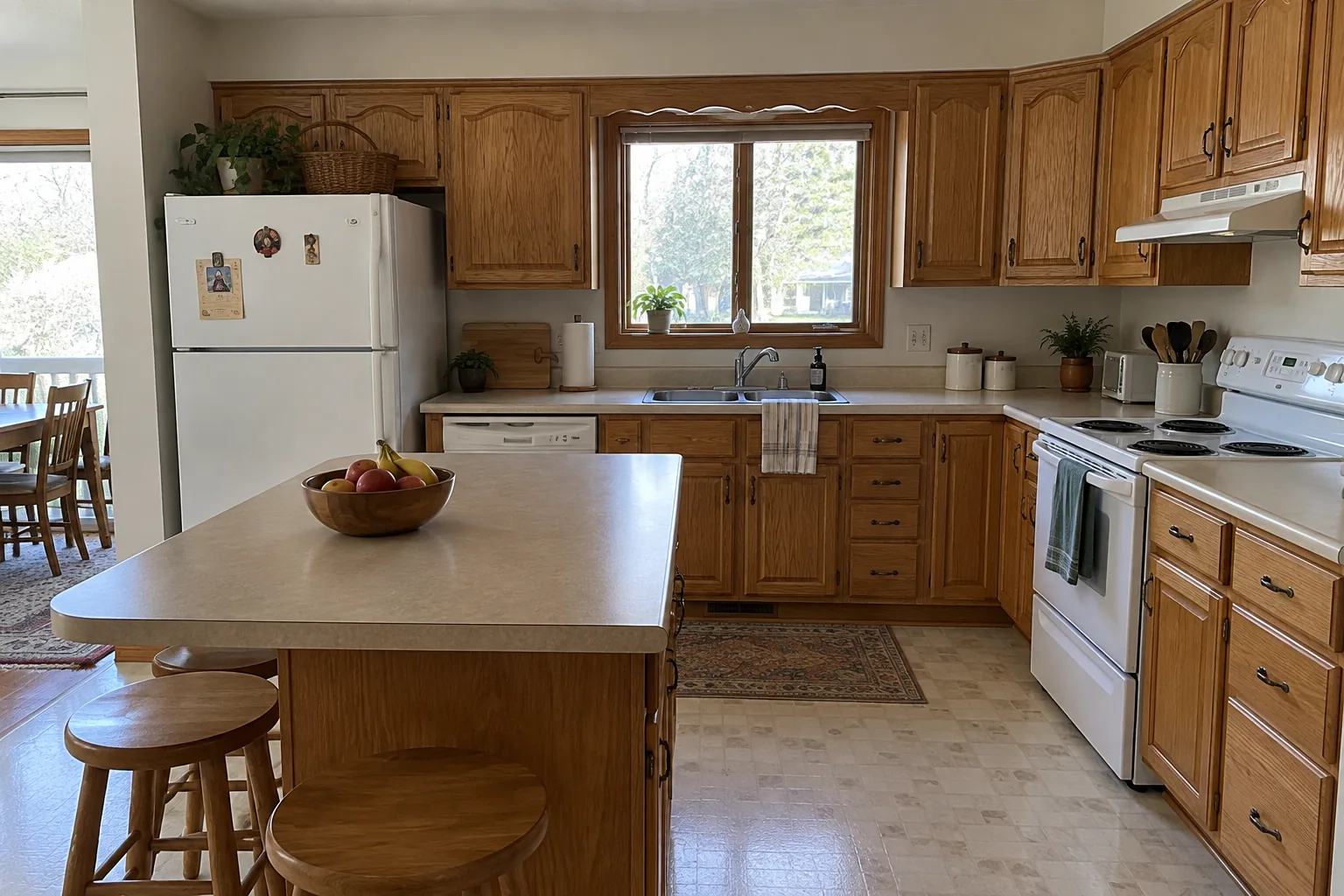
1. Match backsplash pattern to your countertop movement
The single most reliable rule in kitchen design is balancing visual motion between the countertop and the backsplash:
- Bold marble or heavily veined quartz: Pair with a calmer backsplash—such as matte ceramic subway tile, vertical stacked tile, or a matching slab continuation—so the two surfaces do not fight for attention.
- Quiet solid or finely speckled countertop: You have room for tactile interest on the wall, like handmade zellige tile, herringbone patterns, fluted ceramic, or a contrasting grout grid.
- Small or narrow galley kitchens: Horizontal subway layouts visually widen the wall, while vertical stacked tiles draw the eye upward to make lower ceilings feel taller.
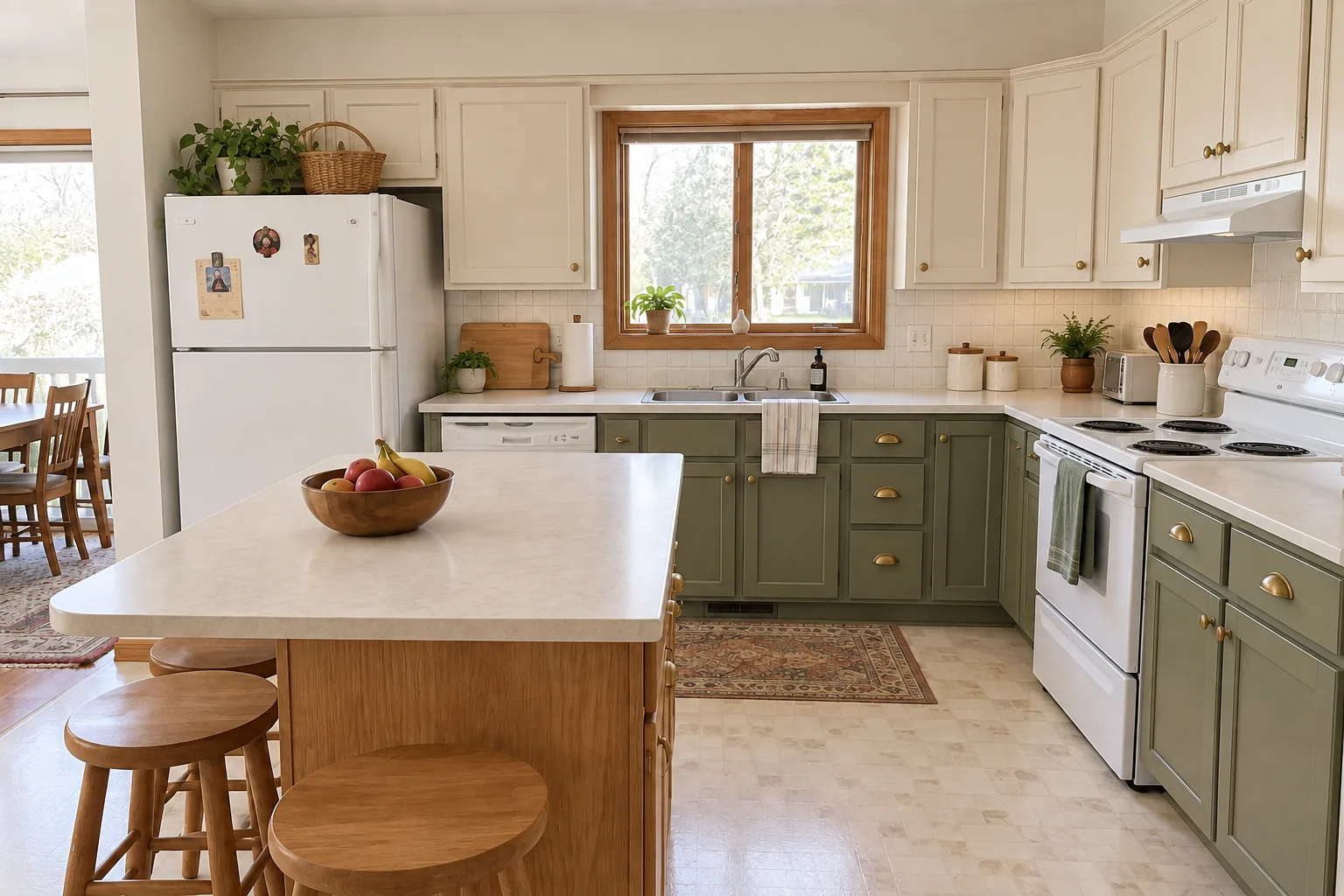
2. How grout color changes the entire tile layout
Homeowners often spend weeks picking the tile and five minutes picking the grout—yet grout can account for 10% to 15% of the visual pattern.
| Grout Approach | Visual Effect | Best Paired With | Maintenance Note | |---|---|---|---| | Tone-on-tone (matching grout) | Seamless, calm, emphasizes overall texture over grid lines | Handmade zellige, small mosaics, busy veined counters | Light grout behind the range benefits from sealing or epoxy grout | | Soft contrast (1–2 shades darker) | Subtle architectural definition without harsh stripes | Classic 3x6 or 2x8 subway tile, vertical stacked tile | Forgiving against everyday cooking splatters | | High contrast (dark charcoal on white) | Graphic, bold, highlights every joint and cut | Modern industrial or farmhouse kitchens with simple counters | Requires very straight tile installation; uneven cuts show immediately |
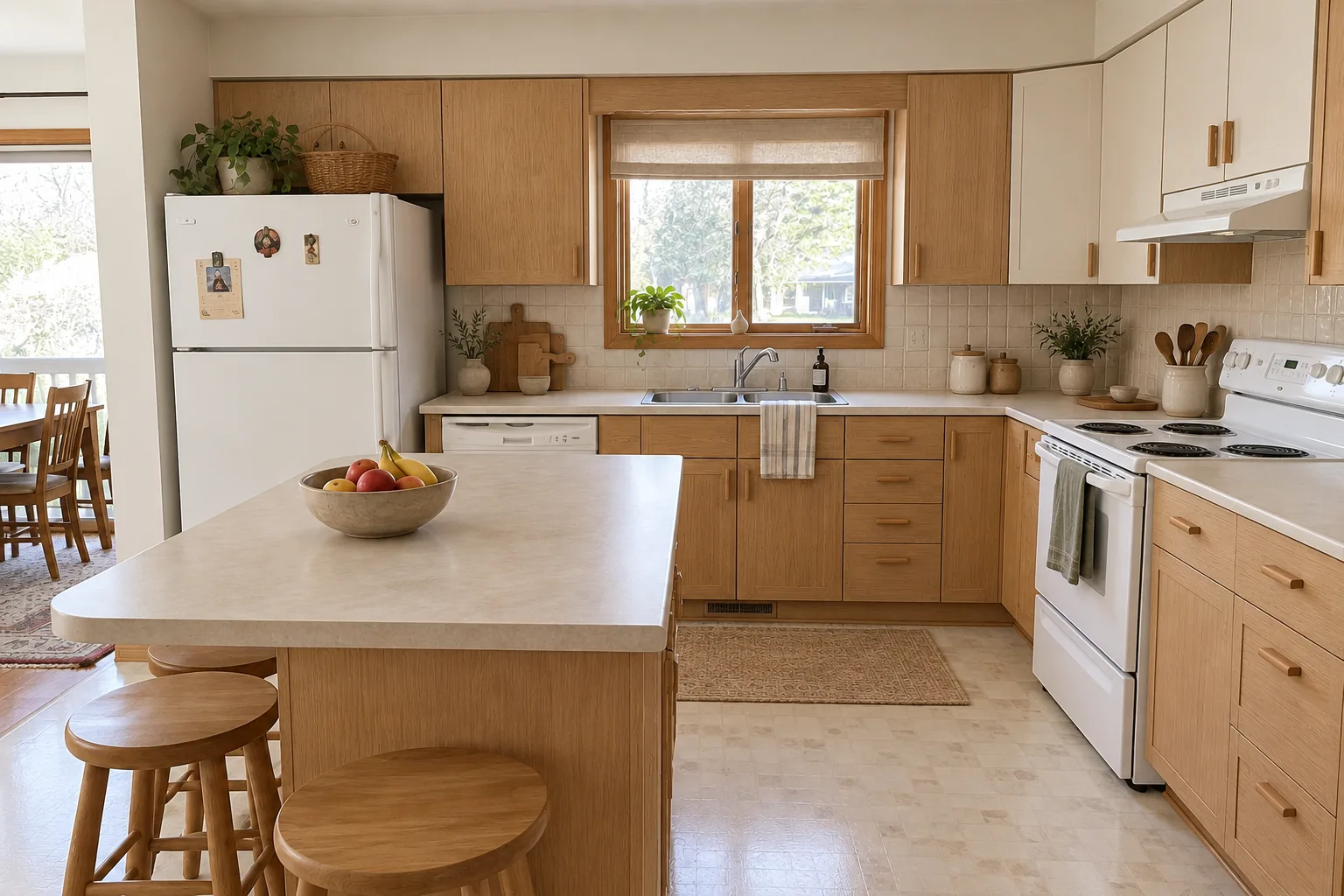
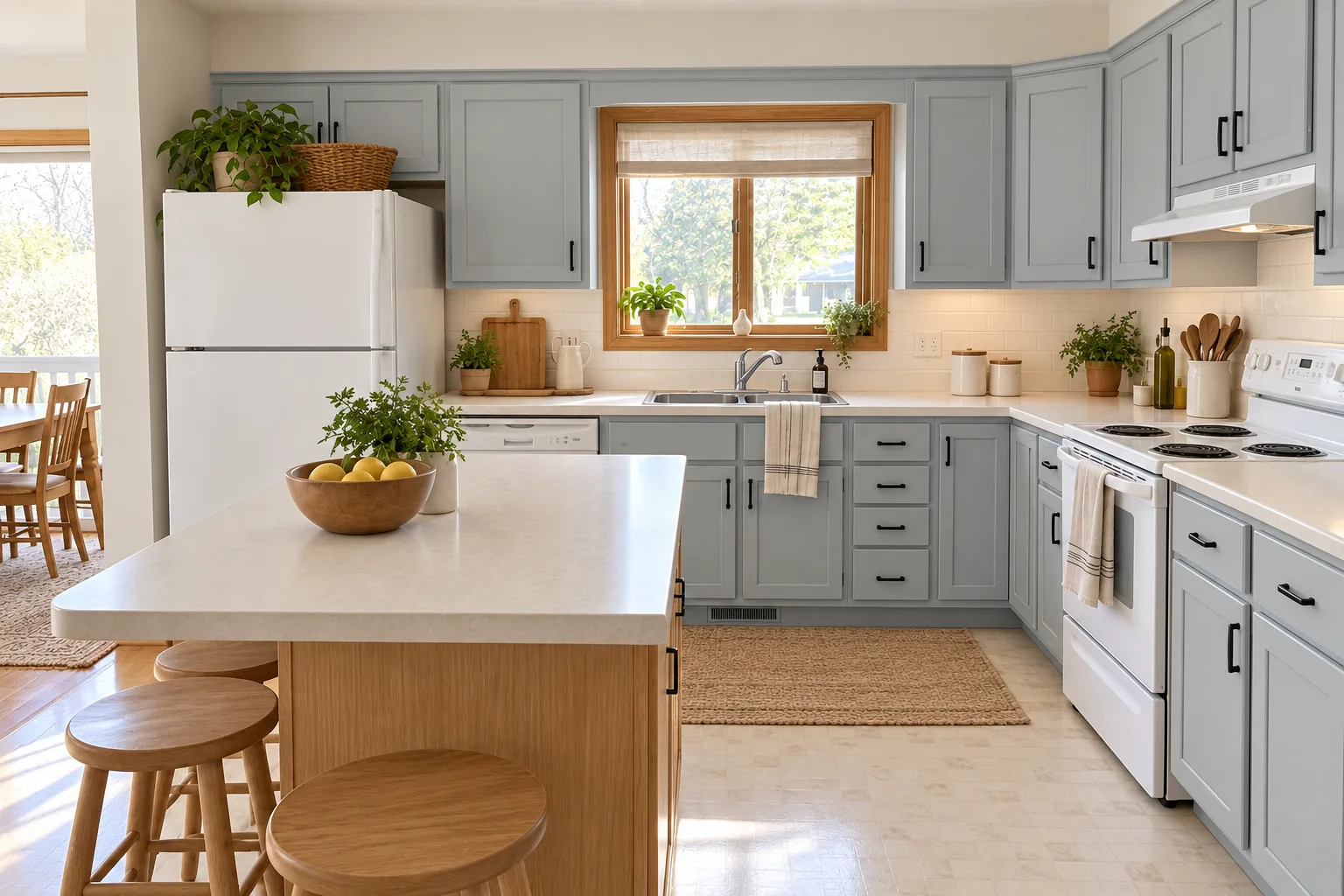
3. Compare complete kitchen palettes side by side
Backsplash tiles rarely look the same in isolation as they do next to wood grain, painted cabinets, and warm under-cabinet lighting. Comparing two full aesthetic directions on similar cabinetry makes it much easier to see whether you prefer warm organic texture or crisp Scandinavian brightness:
4. Test your own kitchen photo before ordering samples
Before driving to a tile showroom, run a quick three-step visual check on your actual space:
- Preview the tile & grout on your wall: Upload a straight-on kitchen photo to our Backsplash Visualizer to compare subway, stacked, and stone splashback directions under your existing lighting.
- Coordinate cabinet paint if you are repainting: Pair your tile choice with our Kitchen Cabinet Color Visualizer so undertones (warm cream vs. cool white) stay aligned.
- Estimate cabinet paint and full remodel scope: If you are refreshing cabinets at the same time, estimate your material quantities with the Cabinet Paint Calculator or explore a broader concept in AI Kitchen Design.
Taking ten minutes to test two or three backsplash combinations visually can save hundreds of dollars in restocking fees and ensure your kitchen feels cohesive from countertop to ceiling.